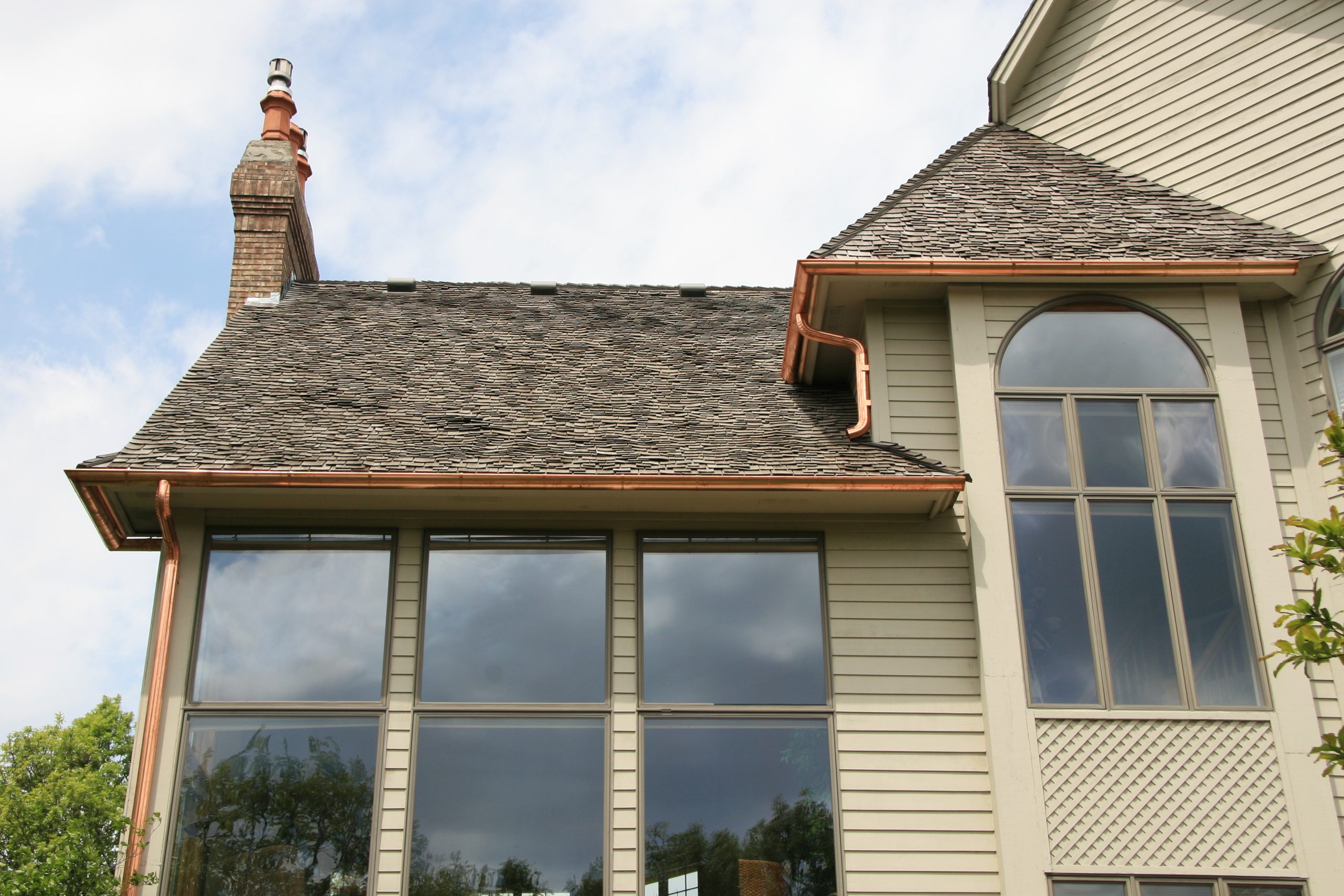

A Practical Guide for Homeowners and Commercial Building Owners
If your insurance premium went up this year, you’re not alone.
Across Minnesota, property insurance costs have been rising sharply. Severe hailstorms, stronger wind events, heavy snow loads, and extreme freeze–thaw cycles are forcing insurance carriers to adjust their risk models and those changes are showing up in property owners’ premiums.
But here’s the important part: you’re not powerless.
Many of the factors insurers use to calculate risk can actually be improved through smart upgrades to your building, especially your roofing system.
At Sheridan Sheet Metal Co., we work with property owners throughout Minnesota who are upgrading their buildings not only for appearance, but also for long-term durability, storm resilience, and reduced insurance risk.
Here are several practical ways Minnesota property owners may be able to lower insurance costs in 2026.
1. Improve Your Building’s Storm Resilience Start With the Roof

In Minnesota, the roof absorbs the majority of weather damage. It’s the first line of defense against:
• Hail
• Ice dams
• Heavy snow loads
• High winds
• Freeze–thaw cycles
Because of this, insurance companies increasingly weigh roof type, material, and condition when determining premiums.
One upgrade many insurers view favorably is impact-resistant roofing, particularly architectural metal roofing systems.
High-quality standing seam metal roofing offers several performance advantages:
• Class 4 impact resistance (hail protection)
• Exceptional wind performance
• Fire resistance
• A service life that can exceed 40–70 years
• Reduced likelihood of water intrusion
For both residential and commercial buildings, a watertight metal roofing system helps minimize one of the most common and expensive insurance claims: water damage caused by roof failure.
At Sheridan Sheet Metal Co., we fabricate custom architectural sheet metal systems designed specifically for Minnesota’s climate; Not generic, one-size-fits-all assemblies.
2. Maintain a Strong Insurance Profile
Physical upgrades are important, but how you manage your insurance policy can also affect your premium.
Avoid Frequent Small Claims
Submitting numerous small claims can raise red flags for insurers. When possible, covering minor repairs out-of-pocket may help preserve a clean claims history, which many carriers reward with better pricing after several claim-free years.
Maintain Strong Credit
In Minnesota and most other states, insurance companies often use credit-based insurance scores when determining premiums. Property owners with stronger credit profiles frequently receive more favorable rates.
Reduce Liability Risks
Certain features on a property can increase perceived liability risk. Addressing or mitigating them may help reduce insurance pressure.
Examples include:
• Unsecured swimming pools
• Diving boards
• Aging playsets
• Wood shake or cedar roofing
• Certain commercial property exposures
Even small changes that reduce risk can sometimes make a difference during underwriting.
3. Structure Your Policy Strategically
Another overlooked way to control insurance costs is how your policy is structured.
Adjust Your Deductible
Increasing your deductible, for example from $1,000 to $2,500, can reduce annual premiums. Just make sure you have adequate reserves available if a storm claim occurs.

Insure for Rebuild Cost, Not Market Value
In markets like Minneapolis and St. Paul, property values often rise faster than reconstruction costs.
Your insurance should be based on replacement cost, not land value. Otherwise, you may be paying for coverage you don’t actually need.
Bundle Policies
Many insurers offer meaningful discounts for bundling property, auto, or umbrella coverage under the same carrier.
Review Your Policy Annually
Insurance markets change constantly. Reviewing coverage each year (ideally with an independent agent) can help identify more competitive options.
Why Roofing Decisions Matter So Much in Minnesota
Minnesota consistently ranks among the most hail-prone states in the country. Combined with extreme temperature swings, roofing systems here endure far more stress than those in milder climates.
For homeowners, this often means:
• Higher likelihood of storm damage claims
• Increased underwriting scrutiny
• More frequent roof inspections by insurers

For commercial properties, insurance companies are paying closer attention to:
• Roof age
• Material type
• Drainage design
• Flashing quality
• Maintenance history
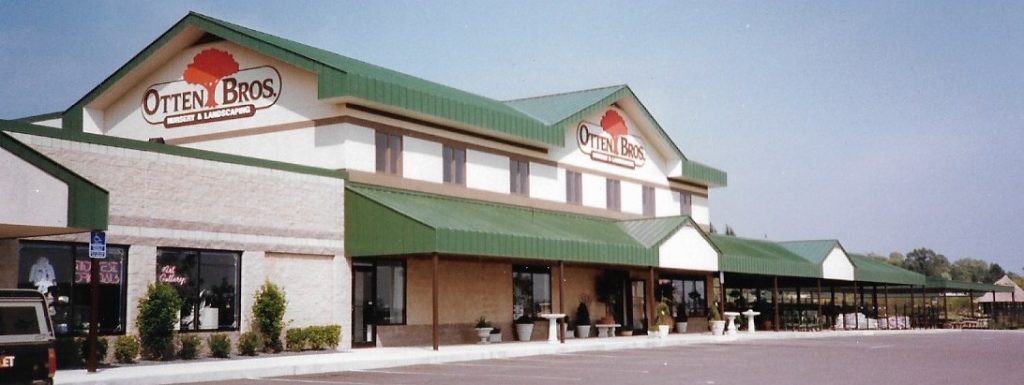
Custom architectural sheet metal details, including chimney flashing, reglet flashing, saddle flashing, and properly designed drainage systems, can dramatically reduce long-term water intrusion risk.
A Smarter Long-Term Strategy
Reducing insurance costs shouldn’t be about shortcuts. The most reliable strategy is reducing risk.
For Minnesota property owners, that usually begins with:
• Investing in durable roofing systems
• Installing proper metal flashing and drainage
• Maintaining the building envelope
• Reviewing insurance coverage annually
For decades, Sheridan Sheet Metal Co. has fabricated and installed architectural sheet metal systems designed to perform in real Minnesota weather, not just look good on a blueprint.
Considering a Roof Upgrade in 2026?
If you’re evaluating:
• A metal roof replacement
• Hail-resistant roofing upgrades
• Commercial roof improvements
• Architectural sheet metal enhancements

Sheridan Sheet Metal Co. can help you explore solutions designed for long-term durability and storm resilience.
A well-built roofing system not only protects your building; It may also strengthen your insurance profile for years to come.
Contact Sheridan Sheet Metal Co. to discuss options for your property.