Understanding Custom Copper Gutters
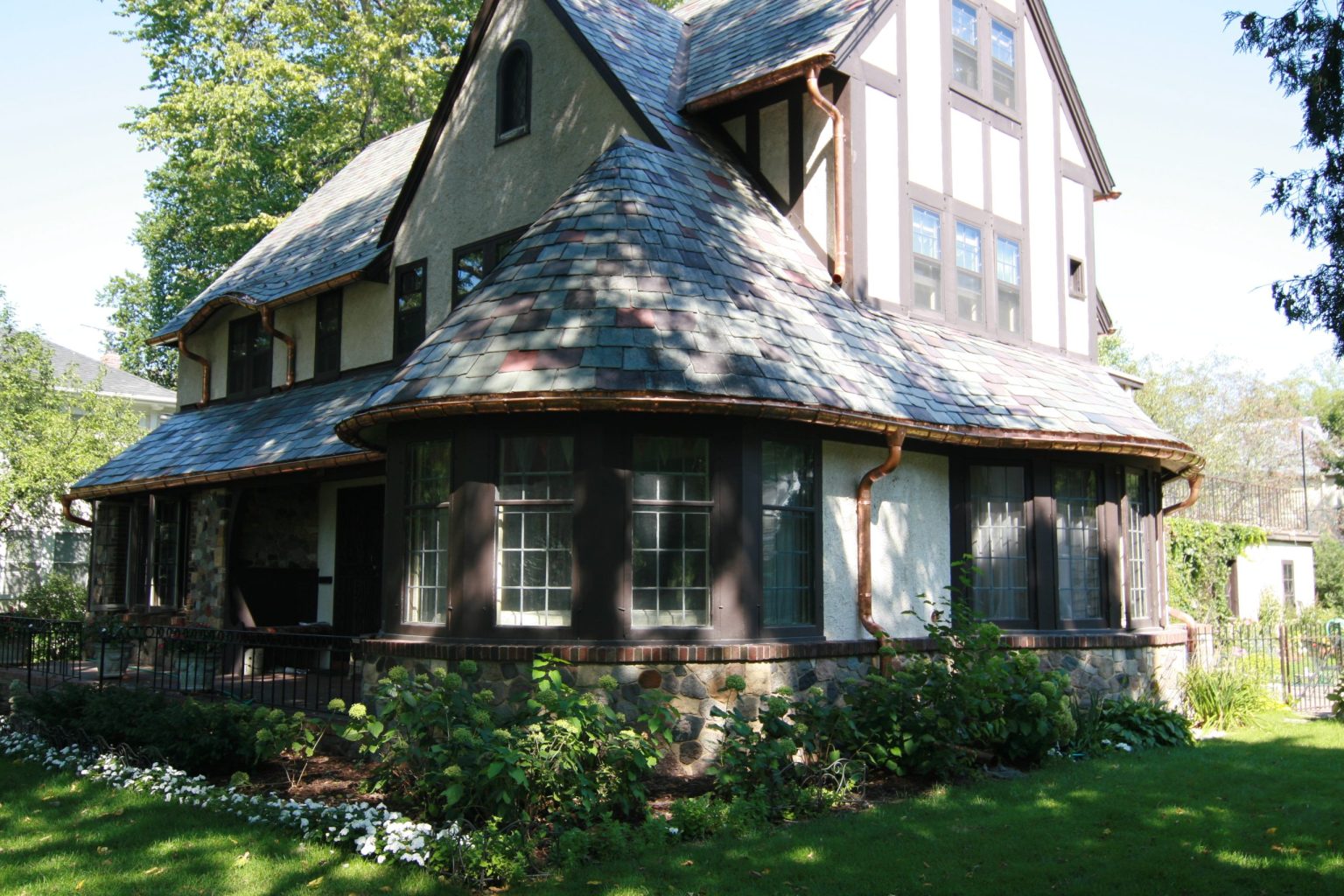
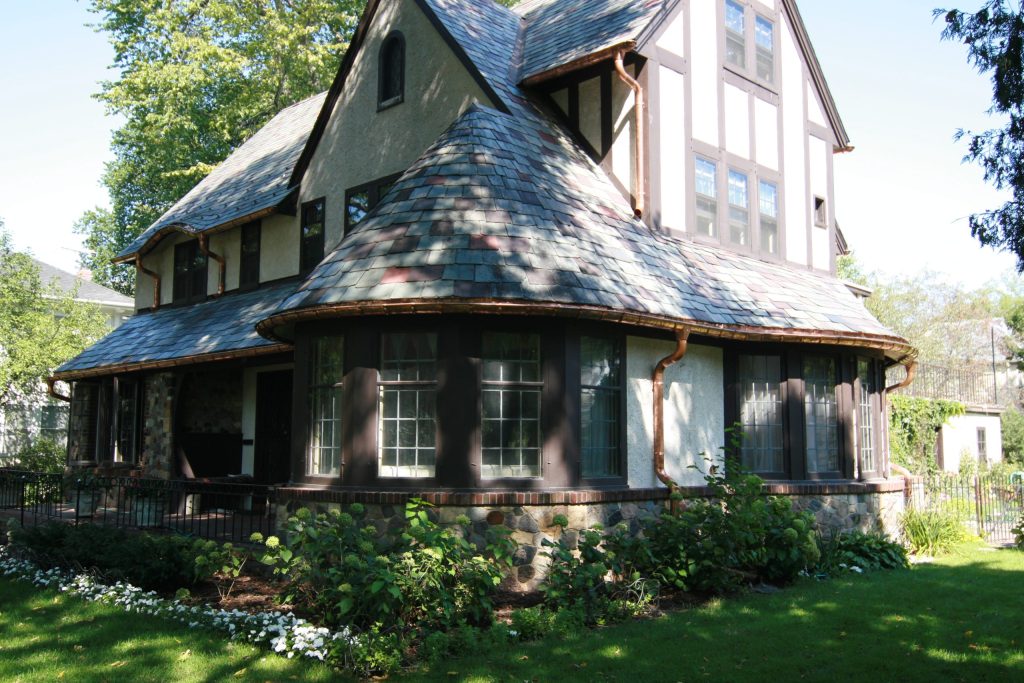
Copper gutters are one of those details that can completely change the look of a home. When they’re new they have a bright penny color, and over time they slowly darken and develop the natural green patina you see on older historic buildings.
Beyond appearance, copper is also extremely durable. Properly installed copper gutters can last many decades, often far longer than aluminum systems that typically need replacement every 15–20 years. Copper handles Minnesota’s freeze and thaw cycles very well and doesn’t rust.
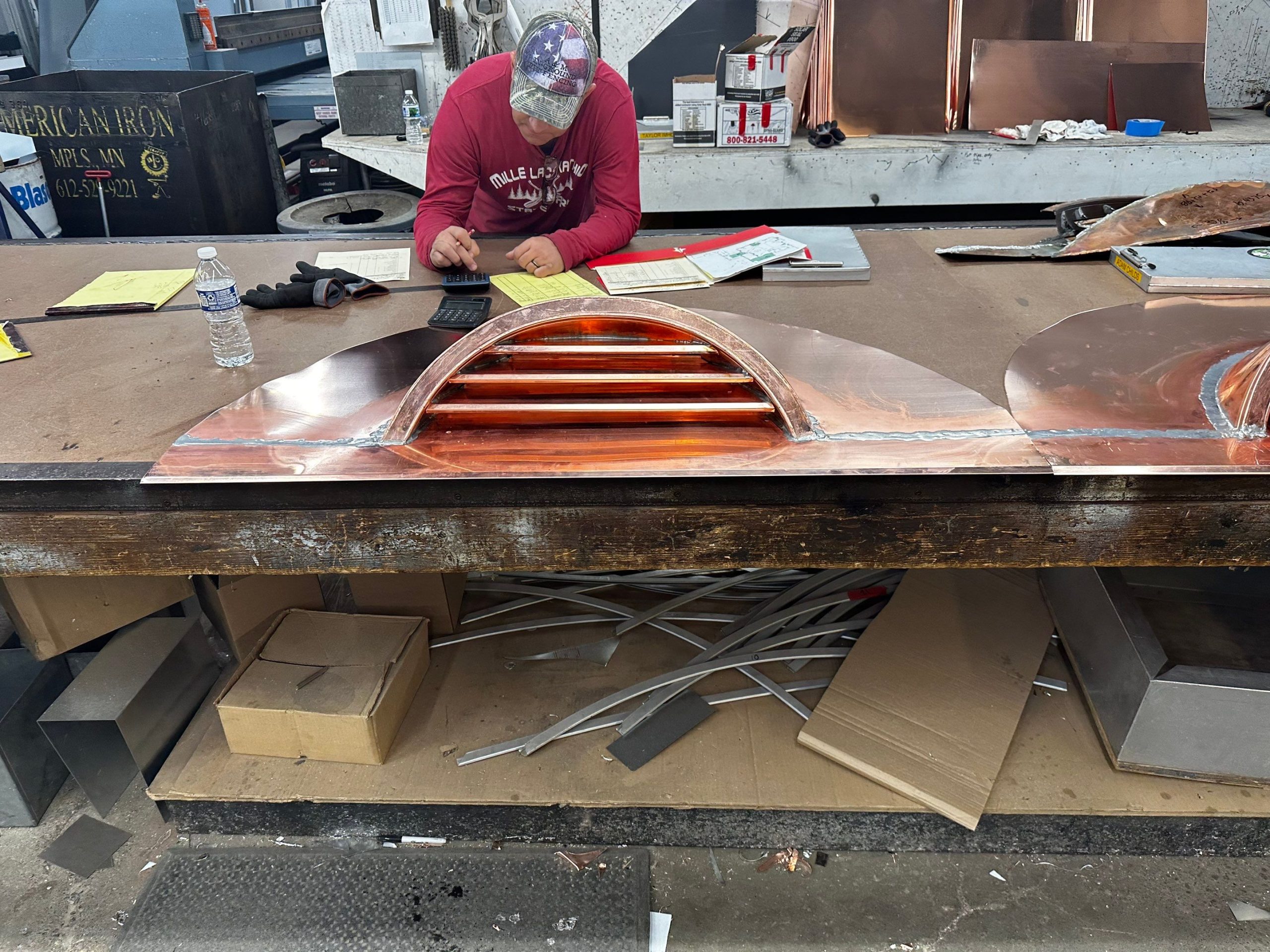
Most copper gutter systems are fabricated from 16-ounce or 20-ounce copper and are custom made to fit the roofline of the home. Unlike aluminum gutters that rely on sealants or snap-together seams, copper sections are soldered together. When done properly those soldered seams create a watertight system that can last for generations.
Because every house is different, copper gutters are usually built specifically for the project. The pitch of the gutter, the location of downspouts, and the style of the home all factor into how the system is designed.
Copper gutters do cost more up front than aluminum, but they also last much longer. For homeowners planning to stay in their home long term, they’re often a worthwhile upgrade.
The Process of Installing Copper Gutters
Installing copper gutters takes more time and skill than installing standard aluminum systems.
The process usually starts with careful measurements of the roofline. Copper expands and contracts with temperature changes, so things like gutter length and expansion space have to be considered during fabrication.
Before installation begins, existing gutters are removed and the fascia boards are inspected. Any damaged wood should be replaced before new gutters are installed.
Copper gutters are typically supported with brackets or hangers spaced closer together than aluminum, especially in Minnesota where snow load can be significant.
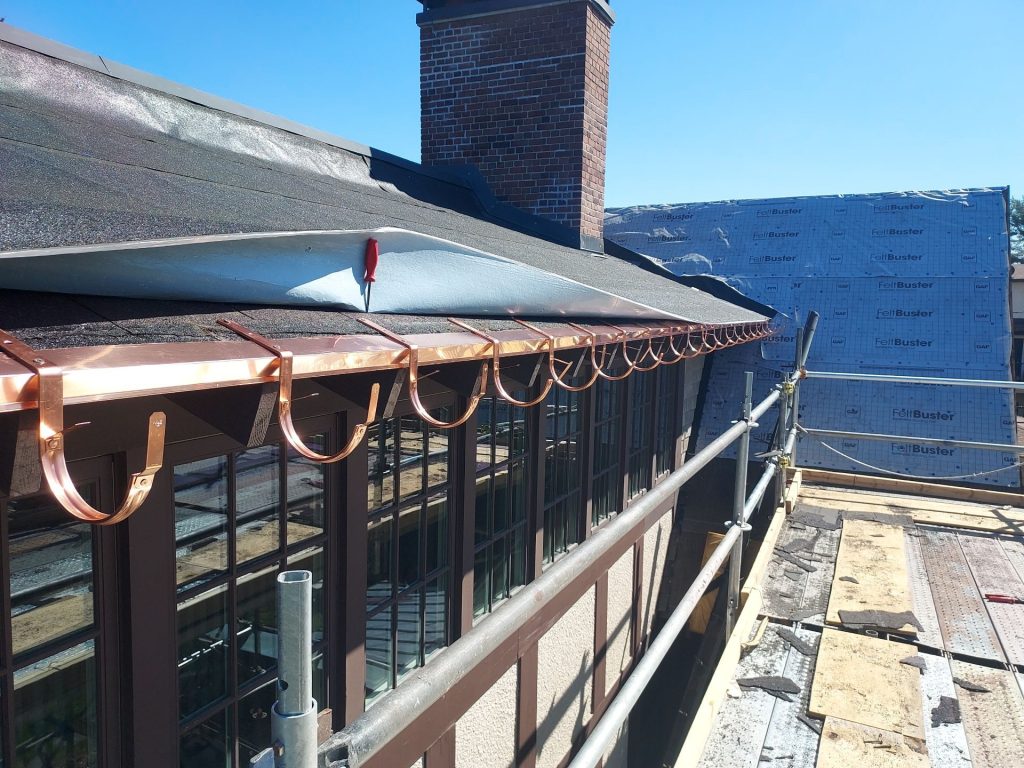
The gutter sections themselves are joined using solder, which creates permanent watertight seams. This type of joinery is one of the reasons copper systems last so long.
Proper pitch is also important. Most gutters are installed using a level to be assured of proper pitch.
A typical copper gutter installation on an average home may take several days, depending on the complexity of the roofline and weather conditions.
Choosing a Contractor for Copper Gutters
Copper gutter installation is a specialized trade. Not every contractor has experience working with copper.
When choosing a contractor in the Twin Cities, it’s worth asking a few questions:
- Do they regularly fabricate and install copper gutters?
- Do they solder their seams or rely on sealants?
- Can they show examples of past copper projects?
- Are they licensed and insured?
- Are they using employees or subs?
A contractor experienced with copper will understand details like expansion allowance, proper hanger spacing, and correct soldering techniques.
Very low quotes can sometimes be a warning sign. Copper work requires time and craftsmanship, and cutting corners can lead to leaks or premature failure.
A properly fabricated copper gutter system should last for decades, so choosing an experienced installer is important.
Cost of Copper Gutters
Copper gutters are considered a premium gutter system, and the cost reflects both the material and the labor involved.
In the Twin Cities, copper gutter projects commonly range between $25 and $40 per linear foot installed, depending on the style of gutter, roof complexity, and custom fabrication required.
For an average home requiring 150–200 feet of gutter, a copper system may fall somewhere in the $4,000–$8,000 range.
While that’s significantly more than aluminum gutters, copper systems also last much longer. Aluminum gutters typically need replacement every couple of decades, while copper gutters often last 50 years or more when installed correctly.
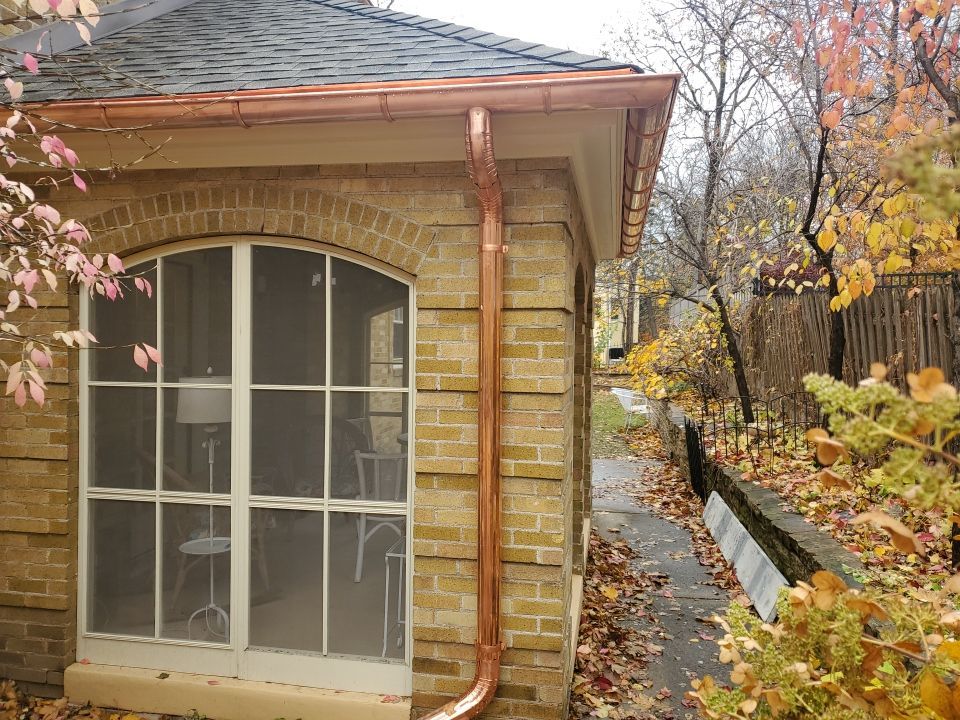
Copper also requires very little maintenance and never needs painting.
Are Copper Gutters Worth It?
For many homeowners the biggest reason to choose copper gutters is durability.
Copper systems can last several generations with very little maintenance. Over time the metal develops a natural patina that actually protects it from corrosion.
There’s also the visual impact. Copper gutters are often used on historic homes, high-end custom homes, and architectural projects where the exterior details matter.
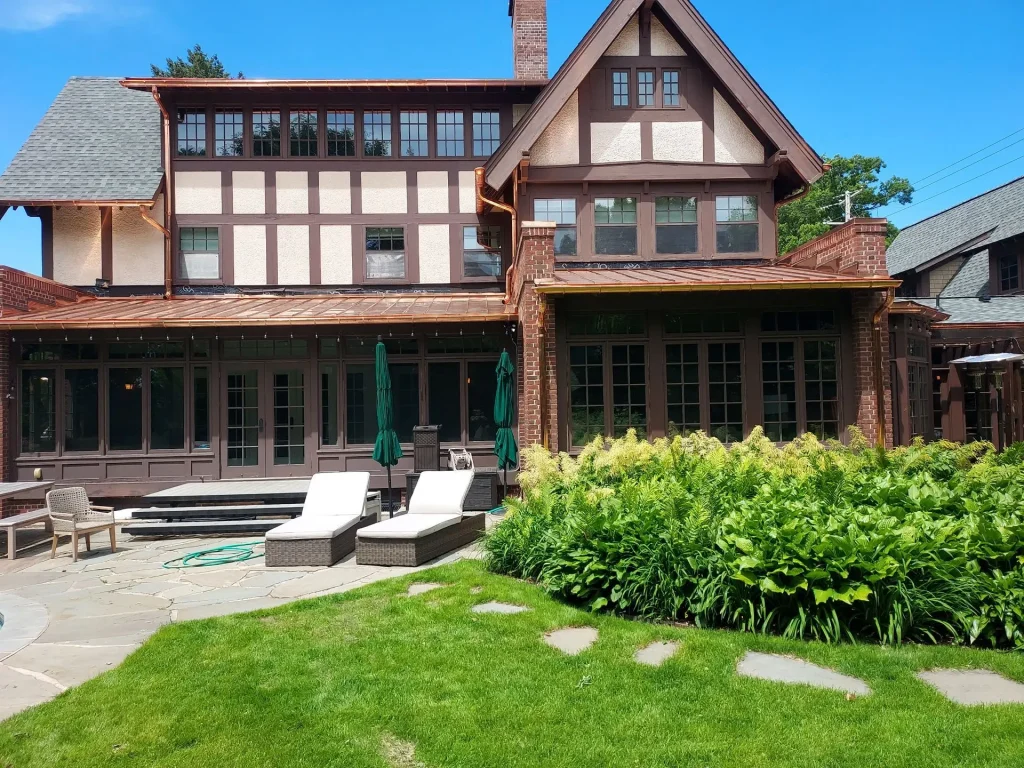
Because of their longevity and appearance, copper gutters can also add to the value and character of a home.
For homeowners who plan to stay in their house long term and want a gutter system that will likely outlast standard materials, copper is often a smart investment.
Copper Gutter Maintenance
Copper gutters require very little maintenance compared to other materials.
The patina that forms over time is natural and does not need to be cleaned or removed. In fact, that patina helps protect the metal.

Routine maintenance mainly involves keeping the gutters clear of leaves and debris so water can flow properly.
Homes with a lot of nearby trees may need cleaning once or twice a year. Aside from that, occasional inspections to make sure hangers and seams remain secure are usually all that’s needed.
When copper gutters are installed correctly, repairs are rarely required.
Things to Consider
Copper gutters are an excellent product, but they are not the right choice for every home.
The main consideration is the higher upfront cost compared to aluminum or steel systems.
Copper installation also requires specialized skills. Working with an experienced contractor who regularly fabricates architectural sheet metal is important to ensure the system performs properly.
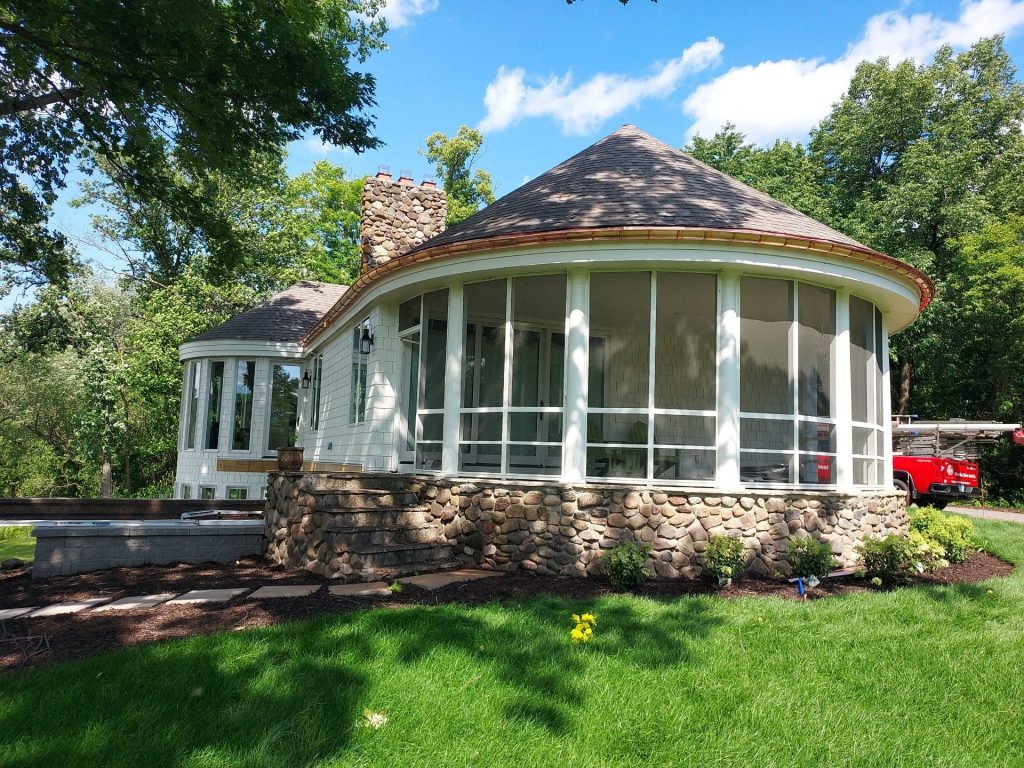
Finally, the natural patina is part of copper’s character. While many homeowners appreciate this look, those who prefer the bright copper color would need to periodically clean and polish the metal to maintain that appearance.
Frequently Asked Questions
The patina process usually takes several years. In Minnesota’s climate it’s common to see darker brown tones first, followed by green tones over time.
Yes. Copper performs very well in cold climates. It expands and contracts without cracking and holds up well under snow and ice conditions.
Copper gutters are commonly fabricated in half-round and K-style profiles, though custom shapes can also be made depending on the project.
Final Thoughts
Copper gutters are one of the most durable and attractive gutter systems available. When fabricated and installed correctly, they can last for decades while adding a distinctive architectural detail to a home.

While the initial investment is higher than aluminum gutters, many homeowners find the longevity, minimal maintenance, and appearance make copper well worth the cost.