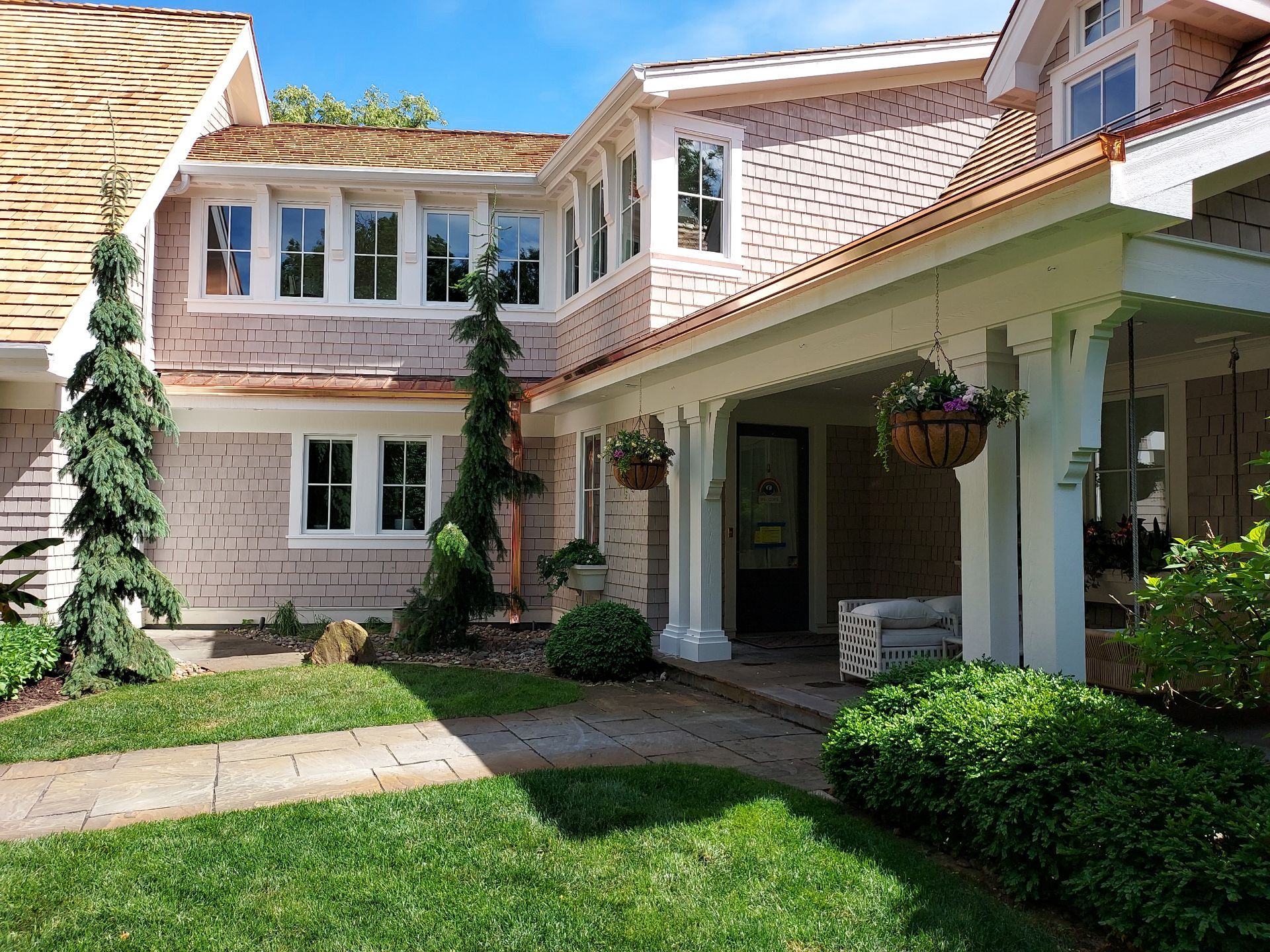
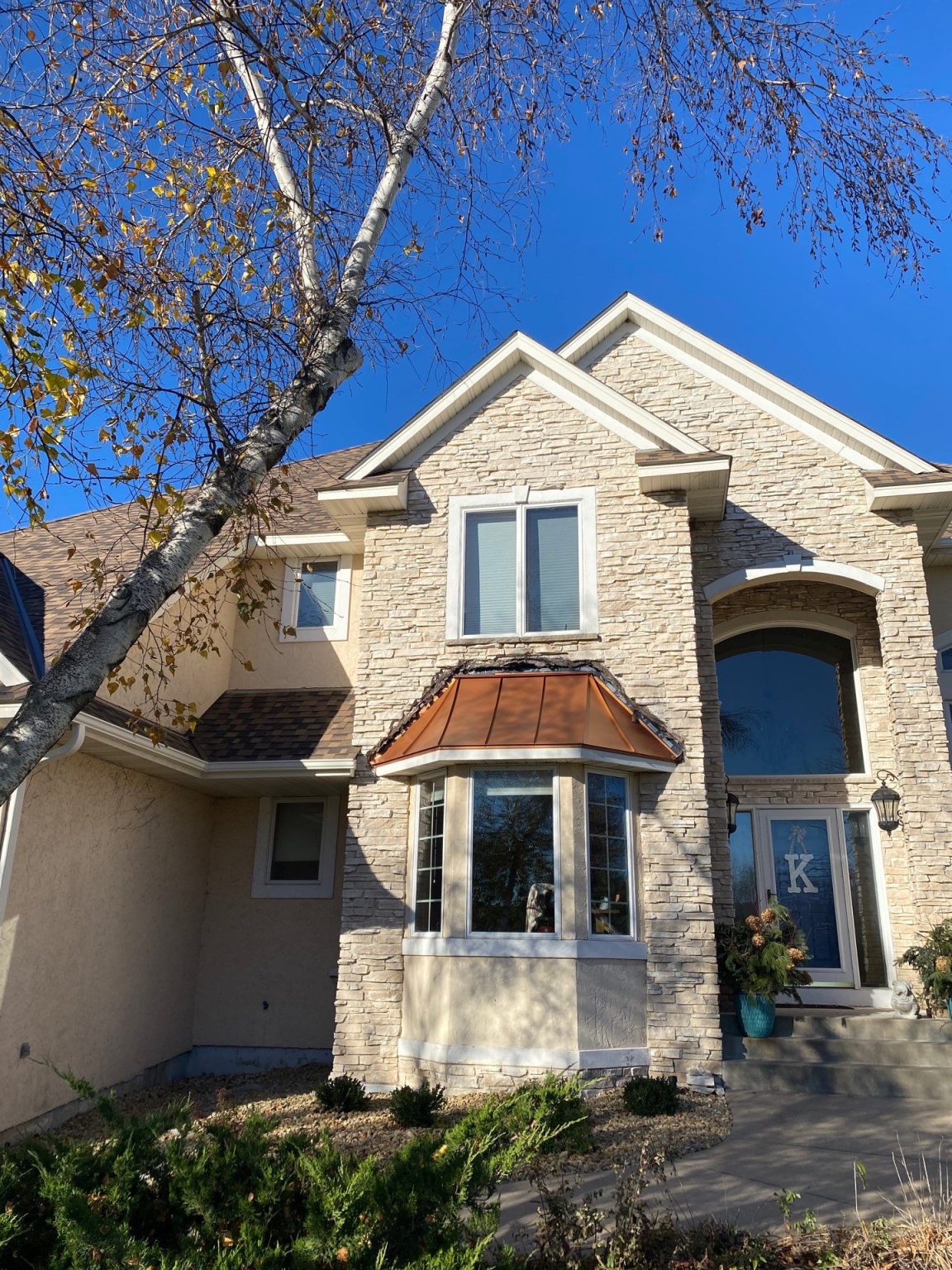
Walk through almost any established neighborhood today, and you’ll notice something different. Homes that once blended into a sea of identical asphalt shingles now feature gleaming copper dormers, standing seam porticos, and bold metalwork that commands attention. This isn’t a passing trend. It’s a fundamental shift in how homeowners think about exterior design.
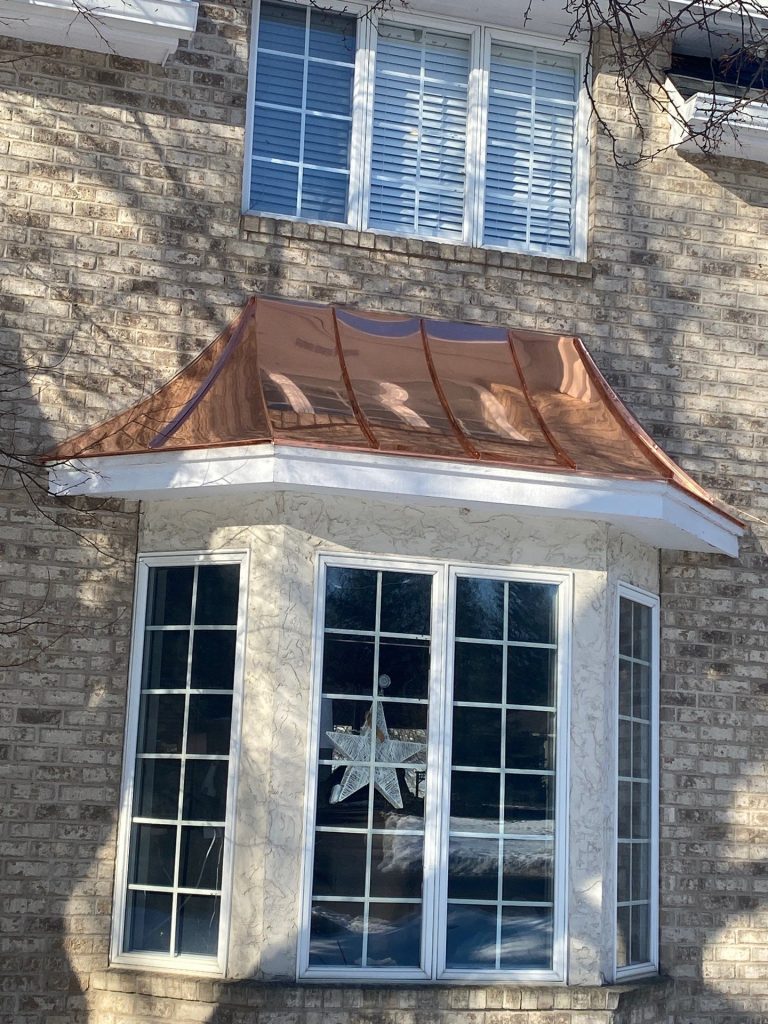
The rise of Modern Farmhouse and European Manor aesthetics has pushed residential architecture toward texture, contrast, and intentional material mixing. Homeowners are moving away from monochromatic rooflines because they want their homes to tell a story and flat asphalt simply doesn’t have that vocabulary. A metal accent roof is quickly becoming a defining feature in modern home design.
A metal accent roof can increase a home’s resale value by up to 6% compared to standard asphalt shingle roofs, according to the Remodeling Magazine Cost vs. Value Report.
Metal Accent Roof Design vs Durability
Here’s the critical insight most homeowners miss: metal accents deliver both visual impact and structural performance. This isn’t decoration, it’s a calculated investment. The concept of Strategic Accents makes that investment accessible, letting you achieve a high-end metal look on targeted roof sections without committing to a full-roof replacement price.
Understanding where to place those accents and which metal profiles work best is where the real value gets unlocked. A metal accent doesn’t just enhance curb appeal, it helps to redefine a home.
Metal Roof Materials: Copper vs Steel
Not every metal roof project means tearing off your entire shingle system. An accent metal roof covers only select architectural features and that distinction changes everything about how you plan, budget, and execute the upgrade.
In practice, the most impactful placements share one thing in common: they’re the features your eye naturally travels to first. Strategic installation on these elements delivers the visual punch of a full metal roof at a fraction of the cost. A metal accent can transform key areas of your roof.
Where to Add a Metal Accent Roof for Maximum Impact:
- Porches and covered entryways — Frame the front door and create an immediate first impression
- Bay windows — Curved or faceted metal caps add dimension to an otherwise flat facade
- Dormers — Small roof sections that reward bold material choices without major structural commitment
- Porticos — Freestanding or attached overhangs where metal signals craftsmanship and permanence
- Turrets and gabled bump-outs — Specialty shapes that showcase a contractor’s metalworking skill
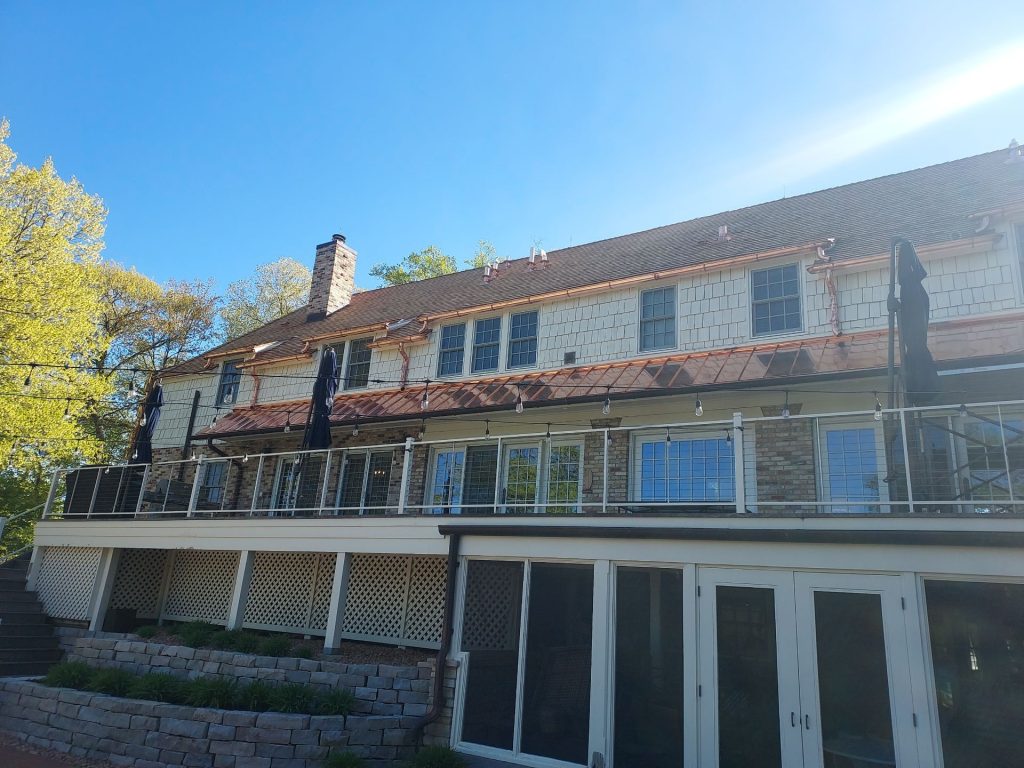
Standing Seam vs. Flat Lock: Two Very Different Looks
Standing seam panels feature raised vertical ribs that cast strong shadow lines, contemporary, clean, and unmistakably intentional. Flat lock panels, by contrast, interlock flush to the surface, producing a smoother, more classical appearance that suits older architectural styles beautifully.
Material Spotlight: Copper vs. Steel
| Copper | Galvanized/Painted Steel | |
| Lifespan | 70–100+ years | 40–60 years |
| Finish | Living patina develops over time | Factory coating, consistent color |
| Cost | Premium | Moderate |
| Best for | Luxury, historic, statement pieces | Modern, budget-conscious projects |
According to Sheridan Sheet Metal Research, copper accent roofs develop a natural patina that actively protects the underlying metal for decades, making it the gold standard for homeowners prioritizing longevity alongside aesthetics. Working with homeowners in Minnesota, we see this often on local homes.

Metal accents integrate with existing asphalt shingle systems through flashing, sealant, and underlayment transitions, no full tear-off required. However, that compatibility comes with important limitations worth understanding before you commit to a scope of work. How much metal you add relative to your total roof area matters more than most homeowners realize and that’s exactly where building code considerations come into play.
The 25% Rule: When Does an Accent Become a Replacement?
Before you commit to that stunning copper accent roof over your front dormer, there’s a regulatory reality worth understanding and it could save you thousands.
Q: What exactly is the 25% rule? A: The International Residential Code (IRC) includes a common provision stating that if more than 25% of a roof surface is repaired or replaced within a 12-month period, the entire roof system may be required to meet current local building codes. In practical terms, an accent upgrade that feels minor on paper could trigger a full-system compliance review.
This rule isn’t designed to punish homeowners but ignoring it can be costly.
Your 3-Step Pre-Project Checklist
Before scheduling any partial metal upgrade, work through these questions:
- Calculate your coverage area. Measure the square footage of all proposed accent sections combined. If that total approaches 25% of your total roof area, pause and consult a professional.
- Review your permit history. Any repairs completed within the past year count toward that threshold, not just your current project.
- Engage a licensed local contractor. Midwest building codes vary significantly by municipality. A contractor familiar with your county’s specific IRC adoption and amendments can map out a compliant, strategic installation plan.
The upside? A skilled contractor can sequence your accent installations across project phases, keeping each phase within compliance thresholds while still achieving your full design vision. That kind of planning also opens the door to a broader conversation about what your roof can actually withstand which leads directly to the performance question most homeowners haven’t thought to ask yet.
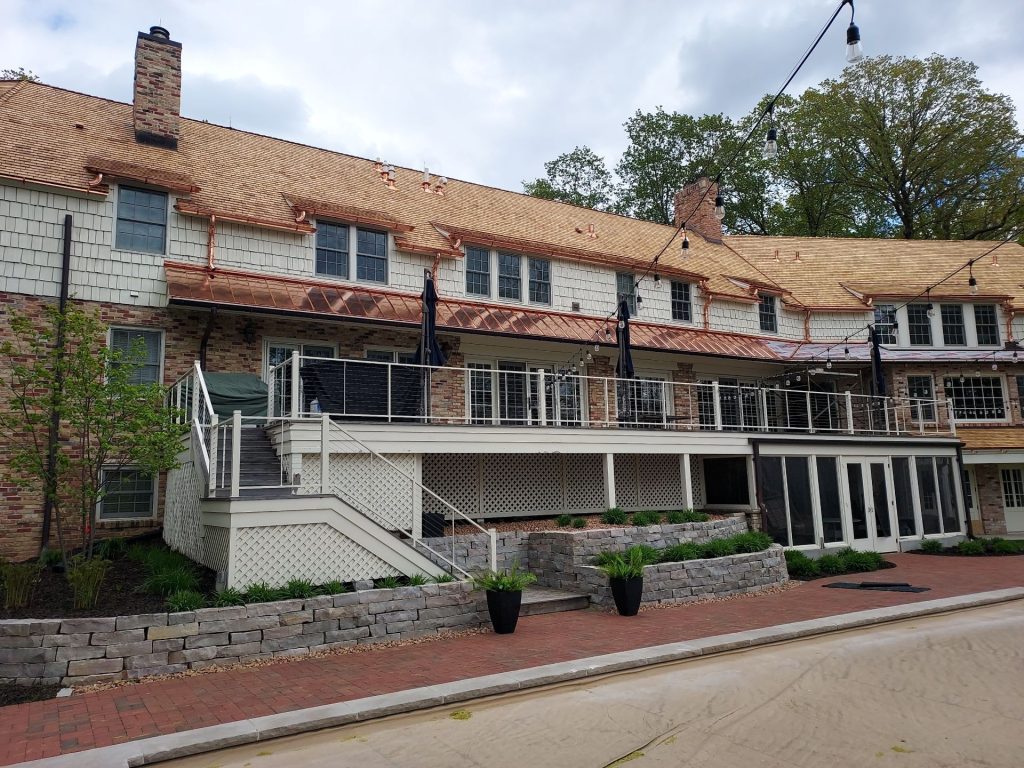
Engineered for the Midwest: Durability Beyond the Shingle
Curb appeal gets homeowners interested in metal accents, but in hail-prone, high-wind regions, pure performance is what seals the deal. Standard asphalt shingles were simply never designed for the punishment that Midwest weather routinely delivers. Understanding why metal outperforms them requires a quick look at the engineering behind each key threat.
Wind: How a Standing Seam Metal Roof Accent Holds the Line
Interlocking metal panels are tested to withstand wind speeds of up to 140 miles per hour, according to the Metal Roofing Alliance. That number matters in a region where severe thunderstorms and derecho events are seasonal realities, like our Midwest weather. The secret is in the geometry. A standing seam metal roof accent uses concealed fasteners and raised, interlocking seams that eliminate the exposed nail points where shingle blow-off almost always begins. Wind uplift forces have nowhere to grab. In practice, the panel system acts as one continuous, mechanically bonded surface, not hundreds of individual shingles competing against the same gust.

Hail: The Science Behind Class 4 Impact Resistance
Quality metal roofing systems carry a Class 4 impact resistance rating, the highest level awarded by Underwriters Laboratory (UL), as noted by McElroy Metal. That classification is earned through UL 2218 testing, where steel ball bearings are dropped from a set height to simulate hailstone impact. Class 4 materials show zero cracking or fracturing at the highest test threshold. Asphalt shingles, by contrast, typically crack, bruise, and lose granule coverage, damage that accelerates moisture infiltration and shortens service life dramatically.
Longevity: The Lifetime Roof Concept
Metal roofing systems are engineered to last 40 to 70 years, compared to just 15 to 30 years for traditional asphalt, according to State Farm. For accent installations, dormers, porch roofs, bay window caps, that lifespan is especially significant. These are precisely the architectural areas that trap debris, pool water, and suffer disproportionate weathering. Installing metal here effectively removes them from your future replacement budget entirely. The math on that durability advantage becomes even more compelling when you factor in resale value and insurance savings which is exactly where we’re headed next.
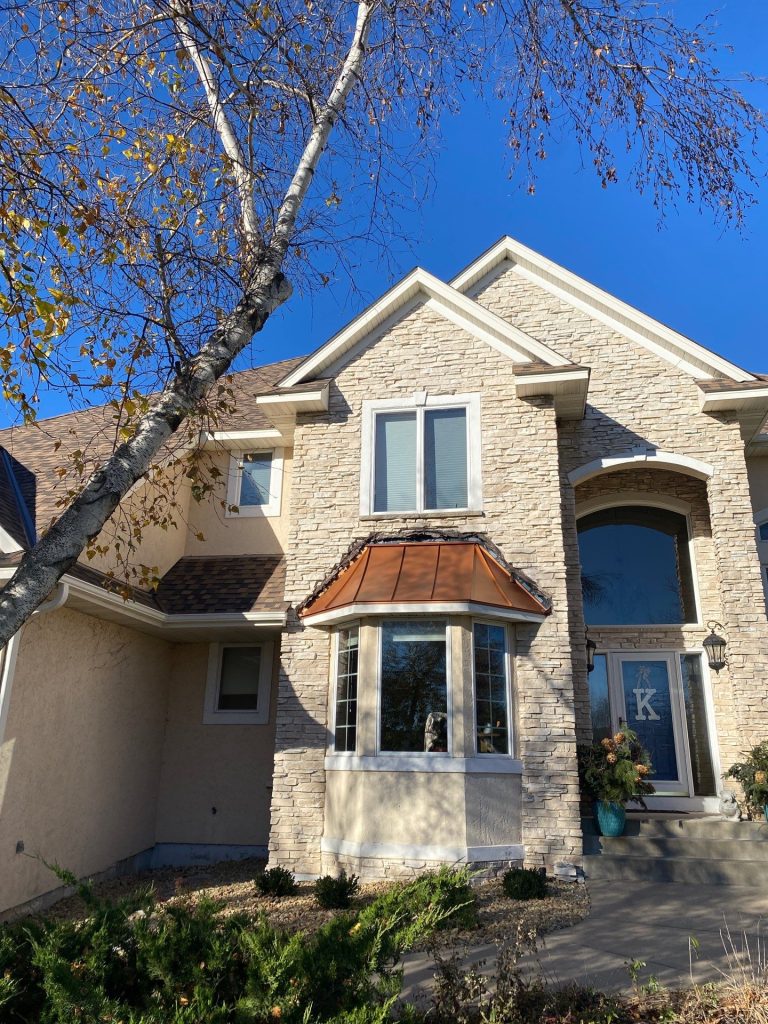
The ROI of Architectural Metal: Resale and Insurance Benefits
The durability case for metal has already been made but savvy homeowners also want to know what it means for their wallet long-term. The financial argument for roof accent metal turns out to be just as compelling as the performance one.
According to the Remodeling Magazine Cost vs. Value Report, metal roofing can recoup between 48% and 85% of its initial cost at resale, a range that reflects both market conditions and project scope. That’s a meaningful return on what many assume is a purely aesthetic upgrade.

Asphalt vs. Metal: A 50-Year Comparison
The numbers become even clearer when you look at the full lifecycle. Asphalt shingles typically require replacement every 15–20 years, meaning a homeowner could cycle through two or three full roof replacements over a half-century. Metal, installed correctly, can last the entire 50 years with minimal intervention.
| Category | Asphalt Shingles | Architectural Metal |
| Lifespan | 15–20 years | 40–70 years |
| Maintenance | Moderate (inspections, repairs) | Low (occasional cleaning) |
| 50-Year Cost | 2–3 full replacements | Single investment |
| Insurance Impact | Standard rates | Potential premium discounts |
| ROI at Resale | Moderate | 48%–85% recouped |
Insurance and Energy Savings
Homeowners with Class 4 impact-rated metal products, the rating discussed in the previous section, often qualify for insurance premium discounts that compound the savings year over year. Check directly with your insurer, as eligibility varies by state and carrier.
Energy efficiency adds another layer. Metal surfaces reflect solar heat rather than absorbing it, which can meaningfully reduce summer cooling costs in Midwest climates.
Of course, realizing these benefits depends heavily on one critical factor: the quality of fabrication and installation. That’s exactly where the conversation needs to go next.
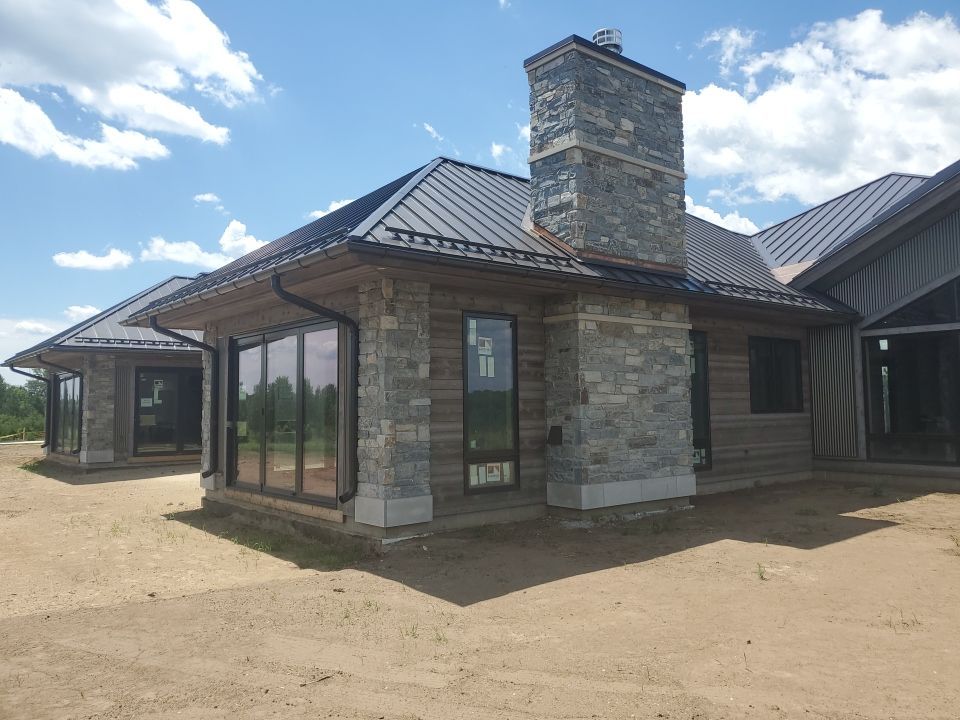
Why Specialized Fabrication Matters: The Sheridan Sheet Metal Difference
All the durability and ROI potential discussed in this article hinges on one critical variable: the quality of fabrication and installation. Custom architectural metal is only as good as the craftsperson who forms and fits it. This is where the distinction between a general roofer and a dedicated metal fabricator becomes impossible to ignore.
The Problem with Off-the-Shelf Metal
Generic, pre-formed metal components are cut to approximate dimensions and in roofing, “approximate” creates gaps. Gaps create leaks. Custom fabrication ensures every flashing profile, every chimney wrap, and every decorative accent is formed to the exact geometry of your home. This precision matters especially around complex transitions, where water finds the smallest path inward.
It’s also worth understanding the 25% rule in roofing: when repair costs exceed 25% of a full replacement’s value, replacement becomes the smarter financial move. Poorly fitted, off-the-shelf metal accelerates that threshold by inviting hidden moisture damage behind walls and decking.
One Source, No Middleman
Sheridan Sheet Metal specializes in custom residential architectural accents and chimney flashing, work that general roofers routinely outsource to third parties. By handling fabrication and installation under one roof, Sheridan eliminates handoff errors and accountability gaps.
Custom metal accents installed by the same team that fabricated them isn’t a luxury. It’s the only way to guarantee a watertight, lasting result.

What to Ask Your Contractor
Before hiring anyone for architectural metalwork, ask:
- Do you fabricate in-house, or outsource the metal work?
- Can you provide custom profiles matched to my existing trim?
- What’s your experience with chimney flashing and complex roof transitions?
- Do you stand behind both the fabrication and the installation?
Ready to protect and elevate your home with precision-crafted metal accents? Talk with a local expert at Sheridan Sheet Metal to plan a custom metal accent roof designed for your home and Minnesota’s climate.

Key Takeaways
- Porches and covered entryways — Frame the front door and create an immediate first impression
- Bay windows — Curved or faceted metal caps add dimension to an otherwise flat facade
- Dormers — Small roof sections that reward bold material choices without major structural commitment
- Porticos — Freestanding or attached overhangs where metal signals craftsmanship and permanence
- Turrets and gabled bump-outs — Specialty shapes that showcase a contractor’s metalworking skill