Choosing the right metal supplier doesn’t just affect your project’s bottom line. It shapes how your roofing, gutters, and architectural details perform through decades of Minnesota weather.
Not all metal is created equal. There’s a big difference between commodity-grade material sourced from the lowest available bidder and architectural-grade steel fabricated to precise tolerances for long-term performance. Commodity metal often carries inconsistent coatings, variable gauges, and no clear traceability, which means you’re accepting unknown variables before a single panel is installed. Architectural-grade material, by contrast, is specified, tested, and built to hold up against the kind of extreme temperature swings the Twin Cities regularly delivers, where a single day can move from -20°F to a sunny 40°F and back again.
Local sourcing matters for exactly that reason. When a supplier understands Minnesota’s climate firsthand: The freeze-thaw cycles, the ice damming, the thermal expansion that stresses every seam; They specify materials accordingly. Domestic steel, fabricated and distributed here, reduces supply chain exposure and ensures the material you receive matches what was quoted.
“From raw steel coil to finished installation, we manufacture, distribute, and install our own products.” — Sheridan Sheet Metal Co.
That kind of vertical integration isn’t incidental. It means one accountable partner controls material quality from the start. There are seven specific things worth knowing before you place an order for metal roofing or rain-carrying products, and it starts with understanding exactly what the material is actually called, and why those distinctions matter.
What a Metal Supplier Wants You to Know About Roofing Materials
Knowing the correct terminology before you call a metals distributor isn’t just about sounding informed. It’s how you get the right material, cut to the right spec, the first time.

Master coils are the large-format raw stock, typically 48 inches wide, that arrive from the steel mill. A slit coil is what you actually build with: a narrower strip cut from that master to a specific width for gutters, roofing panels, or trim profiles. The distinction matters because not every supplier stocks master coils on-site, which directly affects how fast your project moves.
Coating chemistry is where a lot of confusion creeps in. Kynar 500 is a PVDF-based coating known for its exceptional UV resistance and long-term color stability; It’s the premium choice for high-visibility architectural applications. SMP, or Siliconized Modified Polyester, is a cost-effective alternative with solid performance in moderate climates, though it typically carries a shorter finish warranty. Understanding the practical differences between these coatings helps you match the material to the project’s exposure and budget.
Gauge describes steel thickness. In the Twin Cities market, 24-gauge and 26-gauge are the regional standards. 24-gauge offers greater rigidity for standing seam roofing and high-load applications, while 26-gauge prefinished steel works well for gutters and lighter trim work. Sheridan stocks both in multiple color options.
G90 galvanized steel carries a zinc coating rated at 0.90 oz per square foot, making it the baseline standard for corrosion resistance in rain-carrying products exposed to Minnesota’s freeze-thaw cycles. It’s a spec worth confirming before any custom fabrication work begins.
Getting the terminology right is the foundation of a clean material order and a smoother build. That precision extends into how the coil itself gets processed, which is where the real efficiency gains happen.
How a Metal Supplier Improves Roofing Efficiency
Getting the width right from the start eliminates one of the most stubborn sources of waste and rework on any sheet metal project.
When contractors talk about “stretch out,” they mean the total flat width of metal required to form a finished profile, a gutter, a fascia cap, a drip edge. Get that number wrong, and you’re either trimming excess material on-site or, worse, coming up short. Either way, you lose time and money. Precision coil slitting is how that problem gets solved before the job even starts.
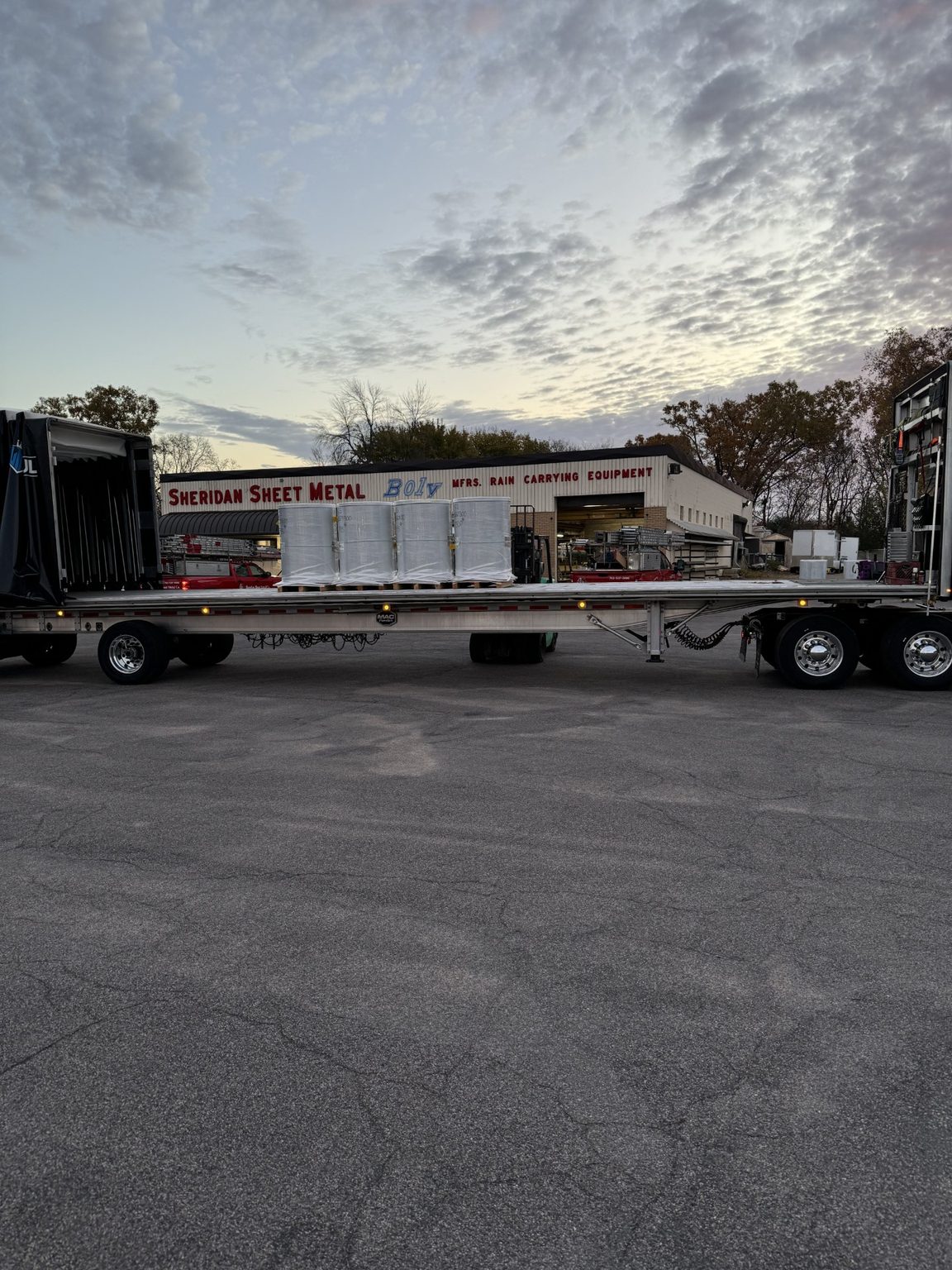
Sheridan processes raw U.S.-sourced master coils, typically 48 inches wide, in-house, slitting them down to the exact widths a project calls for: 12-inch, 15-inch, or whatever the stretch out calculation demands. That applies across steel, aluminum, and copper coil stock. Instead of ordering a standard width and adapting on-site, contractors receive material that’s already sized to spec.
The practical benefits of in-house slitting are straightforward:
- Less scrap — material cut to exact width means fewer off-cuts ending up in the dumpster
- Faster fabrication — roll-forming crews aren’t stopping to trim or re-measure stock
- Tighter schedules — custom-width coils ship ready to run, which compresses lead time on multi-trade jobs
- Lower labor cost — less handling per linear foot adds up quickly on large-volume installs
Process note: Stretch out is calculated before slitting begins, so the finished coil width accounts for bend allowances and seam geometry, not just the visible face of the profile.
That level of upstream precision matters most when material costs are already elevated. It’s also worth knowing that not all coil stock starts from the same quality baseline and that gap between a precision-slit domestic coil and a low-cost alternative can show up in ways that aren’t immediately obvious at the time of purchase.
The Hidden Risks of ‘Cheap’ Metal Roofing Coil
Choosing the wrong sheet metal supplier based on price alone is one of the most common, and costly, mistakes a project can make before a single panel is formed.
Clearance stock and secondary-grade coils circulate in the market more than most people realize. These materials are typically sold off when they fail to meet a primary mill’s quality standards, whether that’s inconsistent paint thickness, off-spec temper, or coil that wasn’t properly tension-leveled during processing. On the surface, the price looks attractive. On the roof, the problems show up fast.
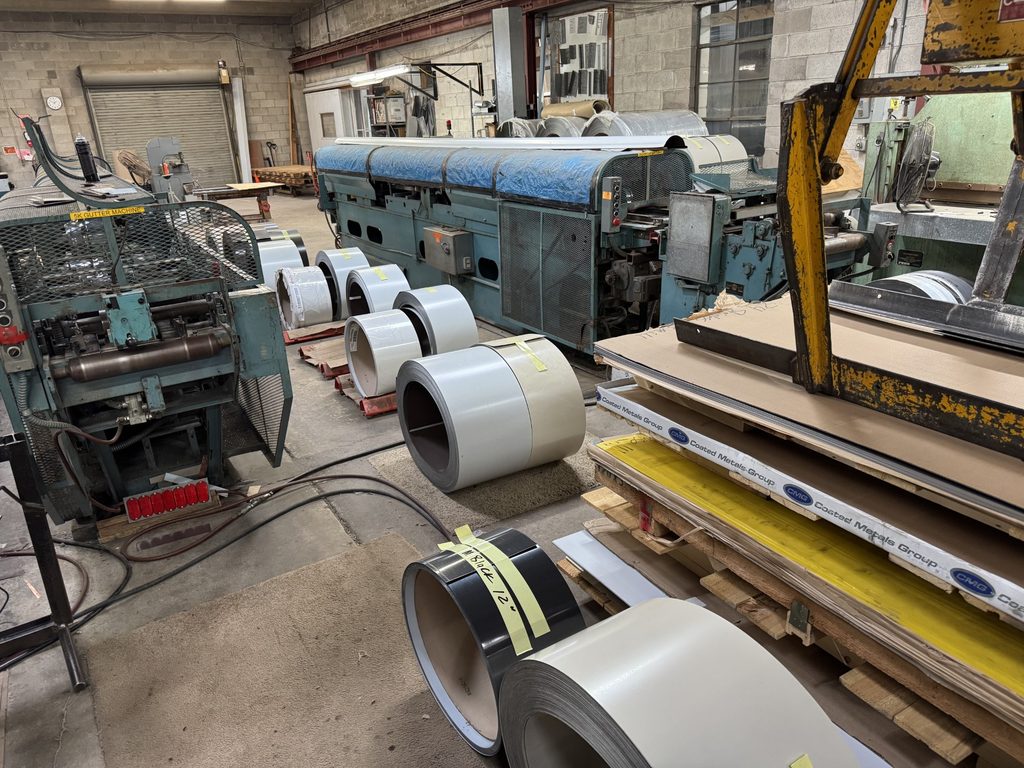
The most visible sign of inferior coil is oil canning, that subtle, wavy distortion in flat panel surfaces that no amount of installation skill can fix after the fact. Edge wave is a related issue, caused by uneven internal stress across the coil width. Both defects are essentially baked into the metal before it ever reaches the job site. Once formed and installed, they’re permanent. For a homeowner expecting a clean, architectural finish, that outcome is simply unacceptable. For a contractor, it’s a callback and a reputation problem.
Coating quality is the other hidden variable. Not all painted coil carries the same protection. There’s a meaningful difference between a standard polyester finish and a PVDF fluoropolymer-based coating engineered specifically for long-term color retention and weathering resistance in harsh climates like Minnesota’s. Bargain coil rarely specifies coating type clearly, and that ambiguity has real consequences over a 20- or 30-year service life.
This is where warranty and local accountability become tangible differentiators, not just marketing language. Sheridan Sheet Metal backs specialized copper and steel roofing systems with a 5-year install labor warranty, and because we’re a multi-generational local business, that commitment means something. A low upfront price from a remote clearance supplier offers no such assurance. When something goes wrong two winters in, there’s no one accountable on the other end of the phone.
Material quality shapes everything that follows, including which metals are worth specifying for the most demanding parts of a project.
Working with a Metal Supplier for Copper Projects
Copper is one of the most demanding materials to source well and having the right weights in local inventory separates a capable partner from a generic steel coil supplier.
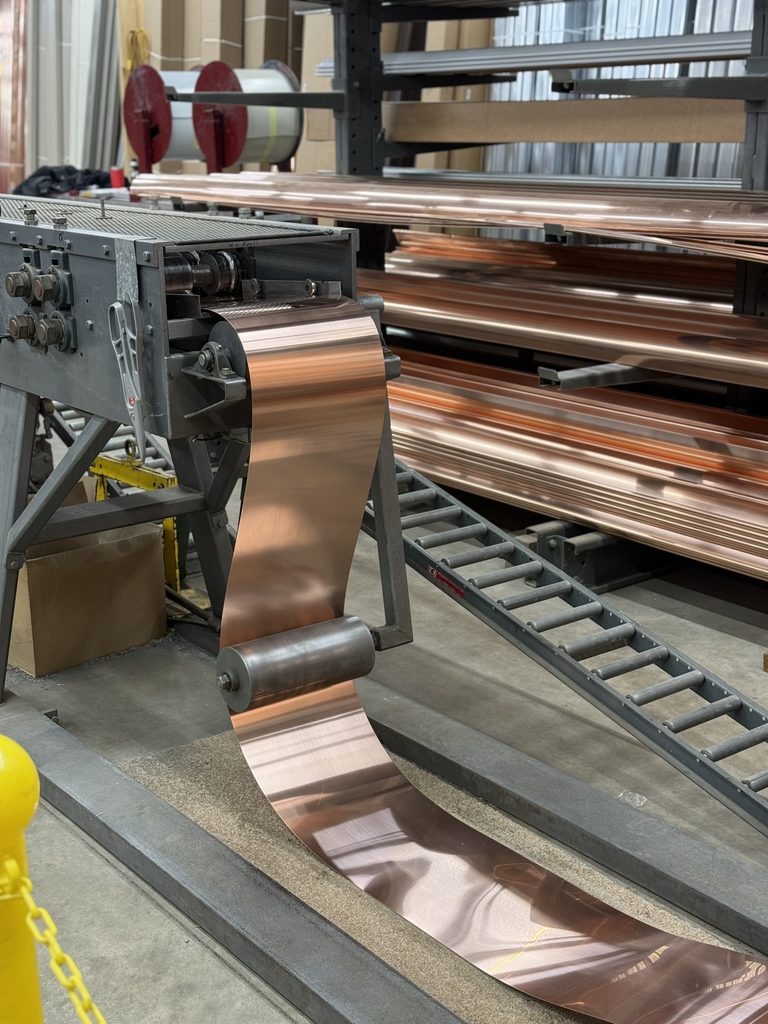
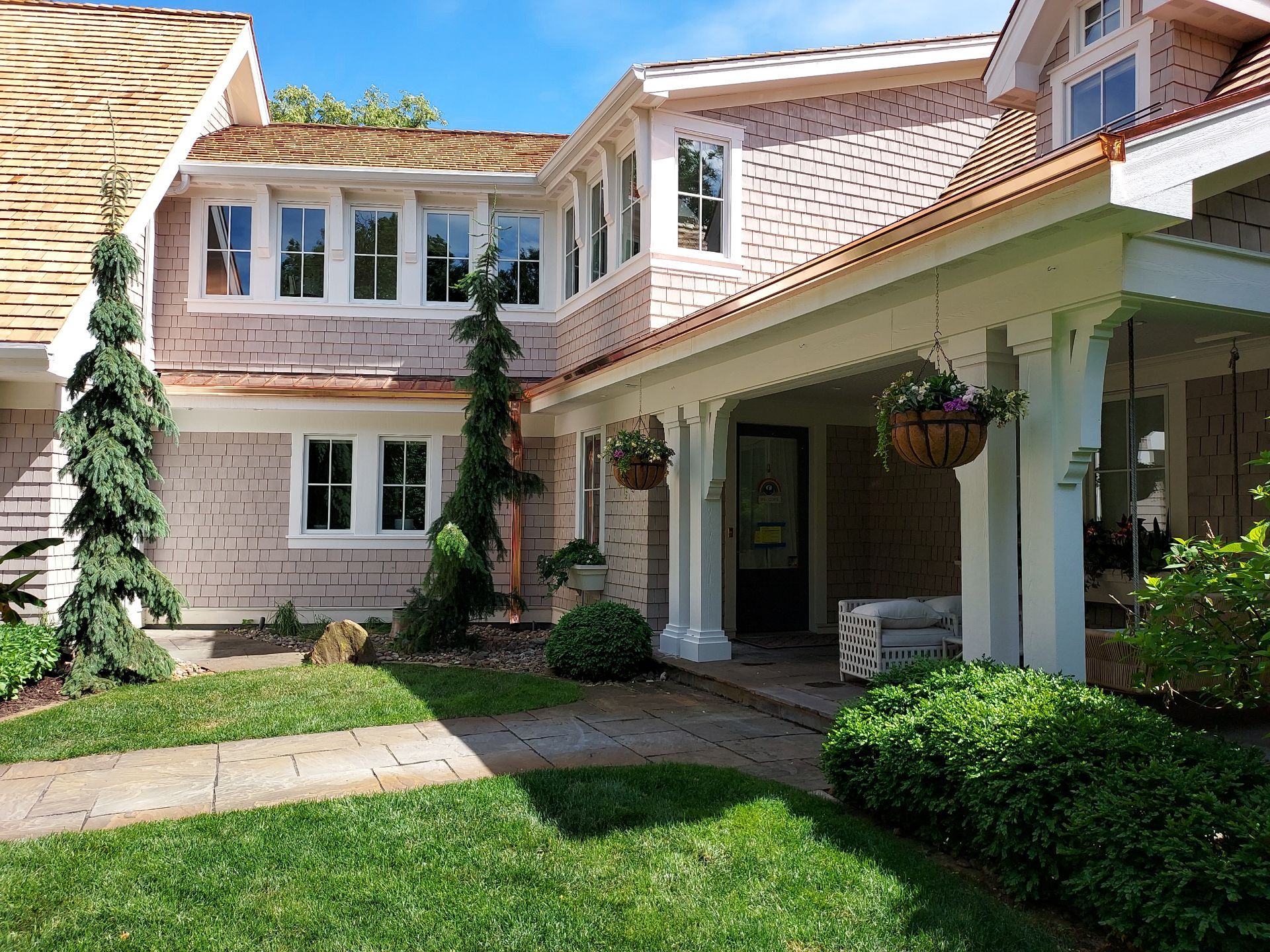
Not all copper coil is interchangeable. For residential drainage work, gutters, downspouts, and conductor heads, 16 oz copper strikes the right balance of workability and durability. Step up to 20 oz, and you’re adding 25% wall thickness for high-traffic drainage runs or exposed architectural details that need to hold their shape through decades of Minnesota freeze-thaw cycles. Both weights serve distinct purposes, and having access to coil widths ranging from 2.625″ to 16″ means a fabricator can cut precisely to a specific stretch-out rather than forcing a standard width to fit a non-standard application.
20 oz copper sheet is the material of choice for demanding architectural elements, think heavy chimney caps, ornamental cornices, or custom bay window crowns where structural integrity and visual weight both matter. It’s a specialty item that most distributors simply don’t stock locally, which creates real lead-time exposure on projects with firm timelines.
That local availability is the practical differentiator. When a Twin Cities contractor needs copper in hand this week, not in four to six weeks, a supplier with on-shelf inventory at multiple weights keeps a project on schedule and protects the contractor’s reputation with the client.
Beyond logistics, copper rewards the long view. Its natural patina develops gradually into a protective layer that actually extends service life, making it one of the few materials where aesthetics and longevity move in the same direction. That’s a compelling story to bring to the conversation and solid footing for contractors who need to justify a premium material.
Before committing to any copper specification, though, there are several practical questions worth asking your supplier, which the next section will walk through directly.
The Bottom Line: 7 Things to Know Before You Order
Every decision you make about the metal roofing material called into your project spec, from coating type to country of origin, compounds over the life of the roof. Getting these details right before you order is far easier than correcting them after installation.
The supplier questions you ask upfront determine the callbacks you avoid later.
- Verify gauge and coating first. Confirm whether the coil is coated with Kynar PVDF or a lower-tier SMP finish. In Minnesota’s freeze-thaw cycles, that distinction directly affects how long the finish holds.
- Ask about country of origin. Domestic coil is produced to tighter tolerances. Imported product can carry hidden inconsistencies that don’t show up until the metal is on the building.
- Confirm custom slitting capability. Your supplier should be able to slit coil to your exact stretch-out width, not just the closest standard size. Gaps in that spec create fit problems at the seam.
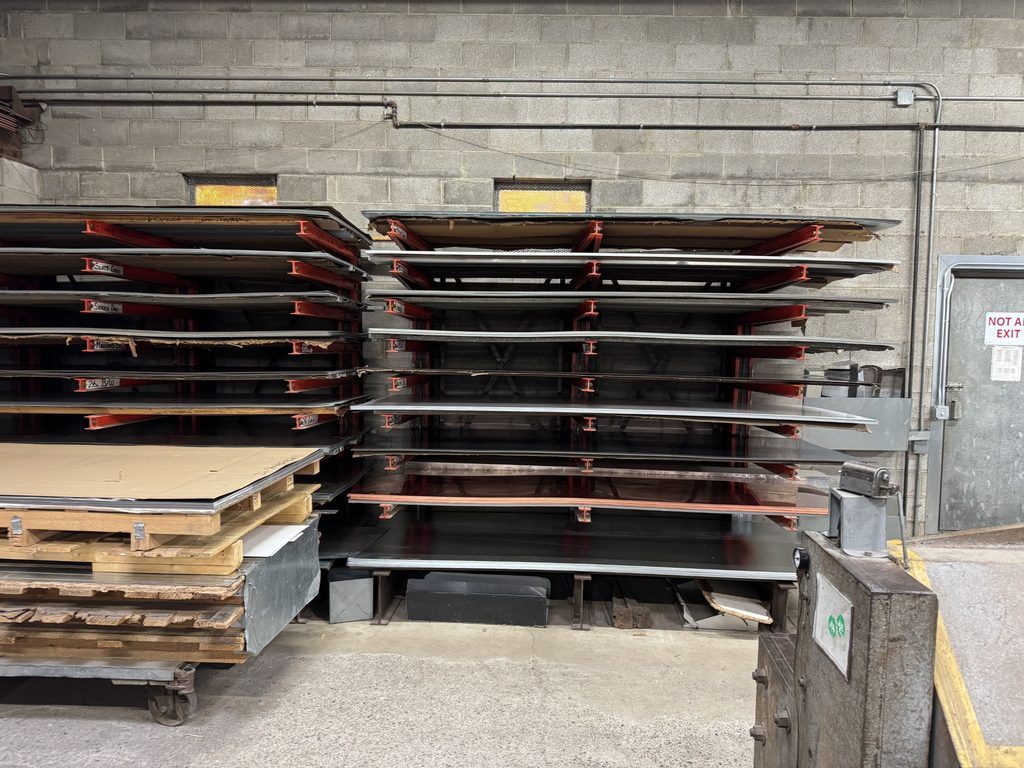
- Check local stock levels. A supplier without depth in inventory means 4–6 week lead times on common materials. Sheridan Sheet Metal maintains over 2,000 unique and specialized products in local inventory to keep your schedule moving.
- Confirm Minnesota weather competency. Your supplier should understand ice dam loads, thermal expansion in cold climates, and the coating performance demands those conditions create.
Matching the right partner to the right project is the last piece of the puzzle and that’s exactly what we’ll cover next.
Partnering with a Local Minneapolis Manufacturer
Choosing a local manufacturer isn’t just convenient; It’s a direct investment in project longevity, accountability, and the kind of craftsmanship that Minnesota weather demands.
At Sheridan Sheet Metal, we’ve spent 75+ years building something that no national distributor can replicate: a vertically integrated operation that handles custom fabrication, coil slitting services, and installation under one roof. That means fewer handoffs, fewer miscommunications, and a finished product that fits your project spec the first time.

Jobsite delivery across the Twin Cities metro is part of how we keep your timeline moving. Whether you’re a contractor managing multiple crews or a homeowner coordinating a full exterior renovation, we can get custom-fabricated material to your site without the lead-time anxiety that comes with sourcing through a remote supplier.
Getting started is straightforward. Reach out with your project dimensions, material preferences, and any non-standard profiles you need and we’ll walk you through a custom quote that accounts for gauge, finish, and quantity. If your spec calls for coatings with serious weather resistance, we’re glad to help you evaluate options, including PVDF-based fluoropolymer systems that are built to hold up against freeze-thaw cycles and UV exposure.
The bottom line is this: domestic materials, fabricated locally, installed by people who know Minnesota rooflines. That’s not a marketing line, it’s the standard we’ve held for three generations. When you’re ready to start your project, talk to our team and let’s build something that lasts.
For homeowners, the right metal supplier means more than getting materials delivered on time. It means investing in roofing and gutter systems that reduce maintenance, protect against water damage, and continue performing through decades of Minnesota weather.
Frequently Asked Questions About Choosing a Metal Supplier
When evaluating a metal supplier, look beyond price alone. Consider material quality, inventory availability, custom fabrication capabilities, warranty coverage, and experience working in your local climate. A reliable metal supplier should be able to provide technical guidance, consistent communication, and materials that meet your project’s performance requirements.
The right metal supplier helps ensure your roofing, gutters, and architectural metal components perform as expected for decades. Material quality, coating systems, fabrication accuracy, and local expertise all impact durability, appearance, and long-term maintenance costs.
Before ordering materials, ask about:
– Material gauge and coating specifications
– Country of origin
– Available inventory and lead times
– Custom coil slitting capabilities
– Warranty coverage
– Experience with Minnesota weather conditions
These details can help you avoid delays, material issues, and costly callbacks.
The best gutter material depends on your budget, aesthetic goals, and maintenance expectations. Steel gutters offer durability and value, while copper gutters provide exceptional longevity and develop a distinctive natural patina over time. A knowledgeable metal supplier can help determine which option is best for your property.
Copper is valued for its durability, corrosion resistance, and long service life. It develops a protective patina that helps extend performance while creating a distinctive architectural appearance. Copper is commonly used for gutters, roofing accents, chimney caps, and other custom architectural features.
Yes. Many projects require custom widths, profiles, or fabrication that aren’t available off the shelf. A full-service metal supplier can provide custom coil slitting, fabrication, and specialty materials to match the exact requirements of your roofing or gutter project.
Minnesota’s freeze-thaw cycles, heavy snow loads, ice dams, and temperature fluctuations place significant stress on roofing systems. Choosing high-quality materials and working with a metal supplier that understands local conditions can help improve long-term performance and reduce maintenance issues.
A local metal supplier understands regional building challenges, maintains inventory closer to your job site, and can often provide faster turnaround times. Local expertise, responsive service, and accountability are especially valuable when timelines are tight or custom materials are needed.